Ongoing Care That Keeps Systems Running Smoothly
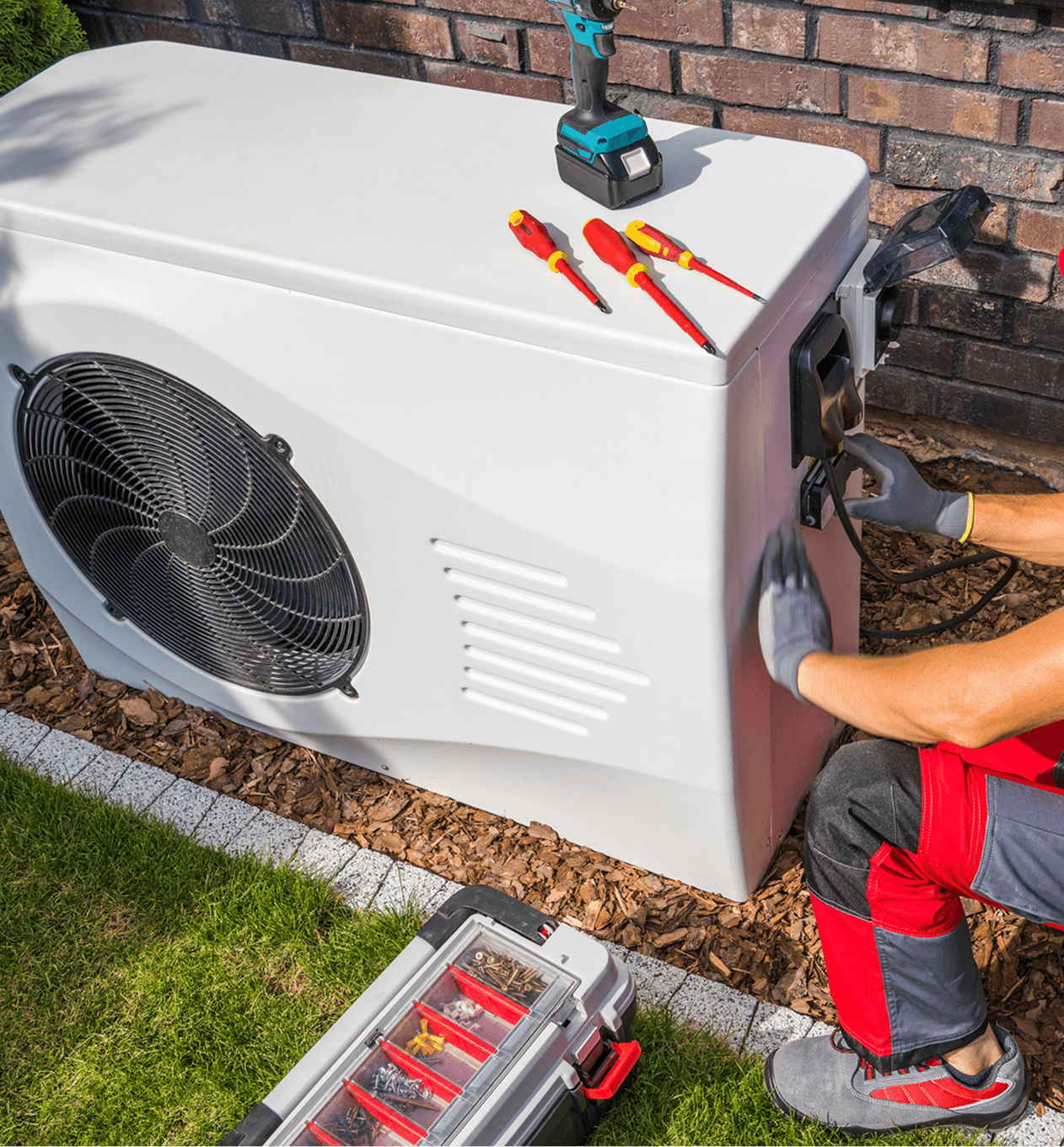
Technician repairing outdoor HVAC unit

Why You Should Have an Annual HVAC Maintenance Plan

  • Lower Energy Bills
  • Fewer Repair Bills
  • Avoid Catastrophes
  • Equipment Lasts Longer
  • Better Air Quality
  • Keep Your Family Safe

When you sign up for a regular maintenance agreement you are extending the life of your HVAC system. A regular maintenance plan will reduce the likelihood of any future problems developing. Everyone wants to make sure that their HVAC system keeps them cool in the summer and warm in the winter. All HVAC systems, even the very best ones, will occasionally have problems. A regular maintenance plan will help to prevent that.

Benefits of Preventive Maintenance Plans

Here are some tangible benefits involved in a regular maintenance plan.

1. Lower Energy Bills

A poorly maintained HVAC system results in higher energy bills. If the system is not running at its peak efficiency, it will take more energy to heat and cool your home. Planned upkeep on your HVAC system means lower energy costs because a well-maintained system reduces energy consumption.

2. Fewer Repair Bills

Regular maintenance will allow the HVAC technician to spot potential issues ahead of time. It is much better to replace a frame belt or a faulty part before they can cause severe problems and costly repairs.

3. Avoid Catastrophes

A regular maintenance plan reduces the chances of a catastrophic failure. The cost of a proper maintenance plan reduces the likelihood that you will pay much more for an emergency repair.

4. Equipment Lasts Longer

Having your HVAC system maintained on a regular basis will ensure that your system lasts longer. A regular maintenance plan will ensure that your equipment lasts longer and reduces the likelihood of having to purchase a new HVAC system due to preventable wear and tear.

5. Better Air Quality

Your family will be able to breathe clean air when mold and dust is removed from the air. Indoor air quality is particularly important if someone has asthma or allergies.

6. Keeping Your Family Safe

If a problem develops with the furnace there is a risk of carbon monoxide. In the event of a short circuit there is a potential risk for fire. A regular maintenance plan keeps your HVAC system running smoothly: whether it is an air conditioner for the summer or a furnace for the winter and offers protection for your family.

The Benefits of Having a Maintenance Agreement
  • Ensures the comfort of your home, safety of your family, and protection of your property.
  • Keeps your HVAC system running properly all year.
  • Great prevention of major problems in the future.
  • Helps to lower utility costs.
  • All maintenance plans require (2) yearly check-ups.
  • Many manufacturers require maintenance; failure to do so may void the warranty.
  • Customers with Maintenance Agreements receive 10% Loyalty Discount on parts and labor.
  • Extends the life of your Heating and A/C equipment.
  • Customers with Maintenance Agreements get priority in scheduling.
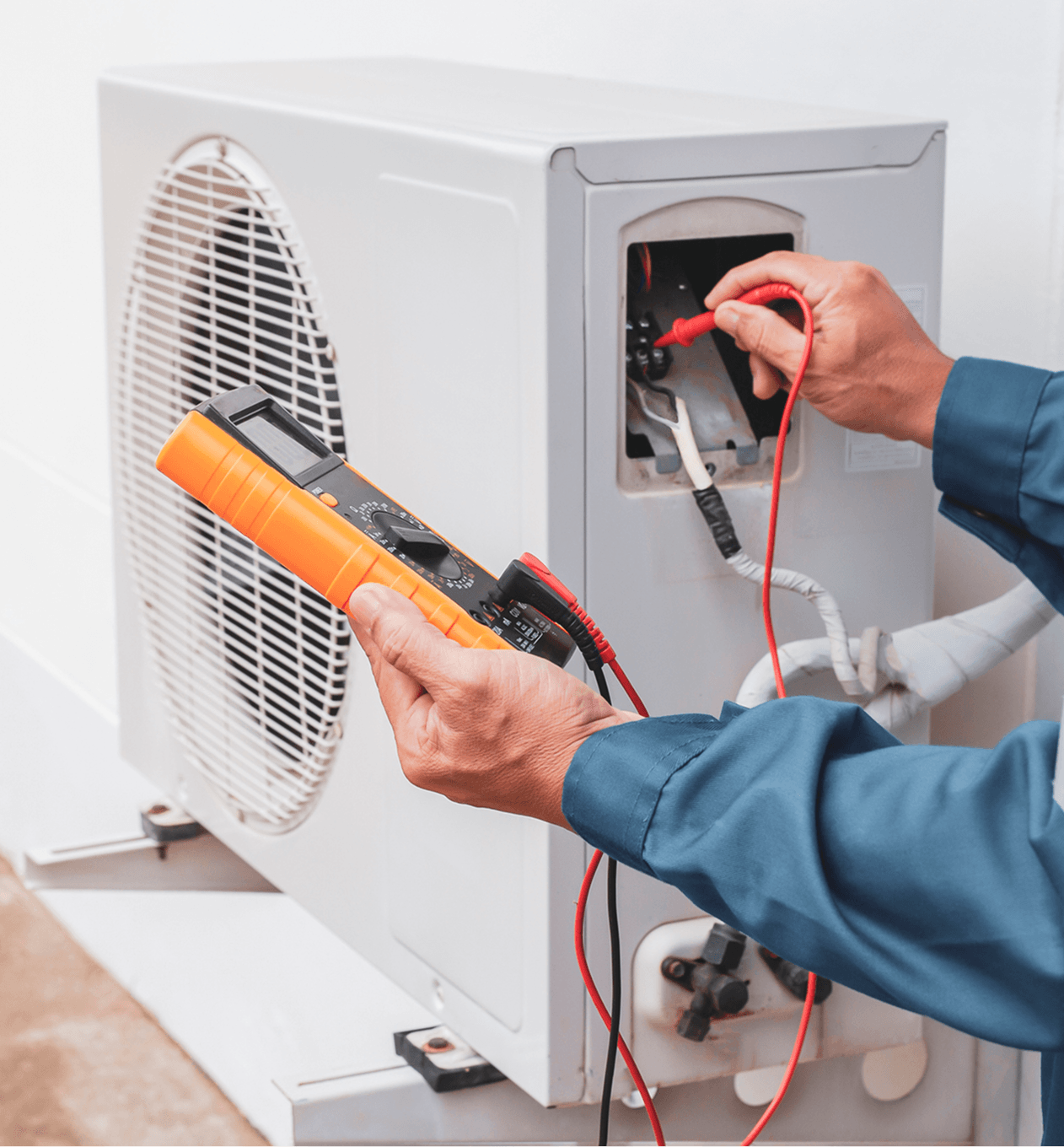
Technician testing air conditioning unit

Description of Maintenance Inspections

Fall Gas Furnace Maintenance
  • Check return air filter
  • Inspect blower wheel and brackets
  • Check system operation from thermostat
  • Set heat anticipator, if required
  • Check fan control "on" and "off" settings
  • Inspect heat exchanger for cracks (carbon monoxide)
  • Oil blower motor, where applicable
  • Inspect flue pipe
  • Check for proper flue draft
  • Visually inspect for mold or mildew
  • Check primary air adjustments on burners
  • Check for proper ignition
  • Check for proper ignition
  • Check operating gas pressure
  • Clean burners and assembly
  • Check voltage and amperage draw
  • Check temperature rise
  • Check proper alignment of burners
  • Check and clean pilot assembly
  • Check operation of gas valve
  • Check electrical wiring
  • Check operation of all safety controls and pressure switch
  • Clean flame sensor
Spring Service
  • Check return air filter
  • Wash and clean outdoor condenser coil
  • Check superheat and subcooling refrigerant charge
  • Check compressor and motor amp draws
  • Check for proper high voltage and low voltage control range
  • Check for delta T / supply and return
  • Check contactor / start and run capacitor range
  • Check system operations from thermostat
  • Inspect blower wheel and brackets
  • Oil blower, where applicable
  • Check electrical wiring
Fall Electric Heat and Heat Pump Maintenance
  • Check return air filter
  • Clean outdoor condenser and coil
  • Oil fan motors, if applicable
  • Clear A/C condensate line if needed
  • Inspect electrical connections for frayed/burnt connections
  • Check voltage and amperage draw
  • Check refrigerant charge
  • Inspect motors for bearing
  • Inspect disconnect boxes
  • Check temperature drop
  • Inspect fan blades and brackets
  • Check contactors (Range 10-20 OHMS)
  • Check start and run capacitors value range
  • Visually inspect duct work
  • Visually inspect mold and mildew
  • Check sequence of operations
  • Inspect and level thermostat
  • Check fan relays and heat sequencers
  • Check superheat and subcooling charge
  • Inspect blower wheel and brackets
  • Check capacitors/Run and start capacitors UF Range (+-3%) (+-10%)
  • Inspect and clean drain pan